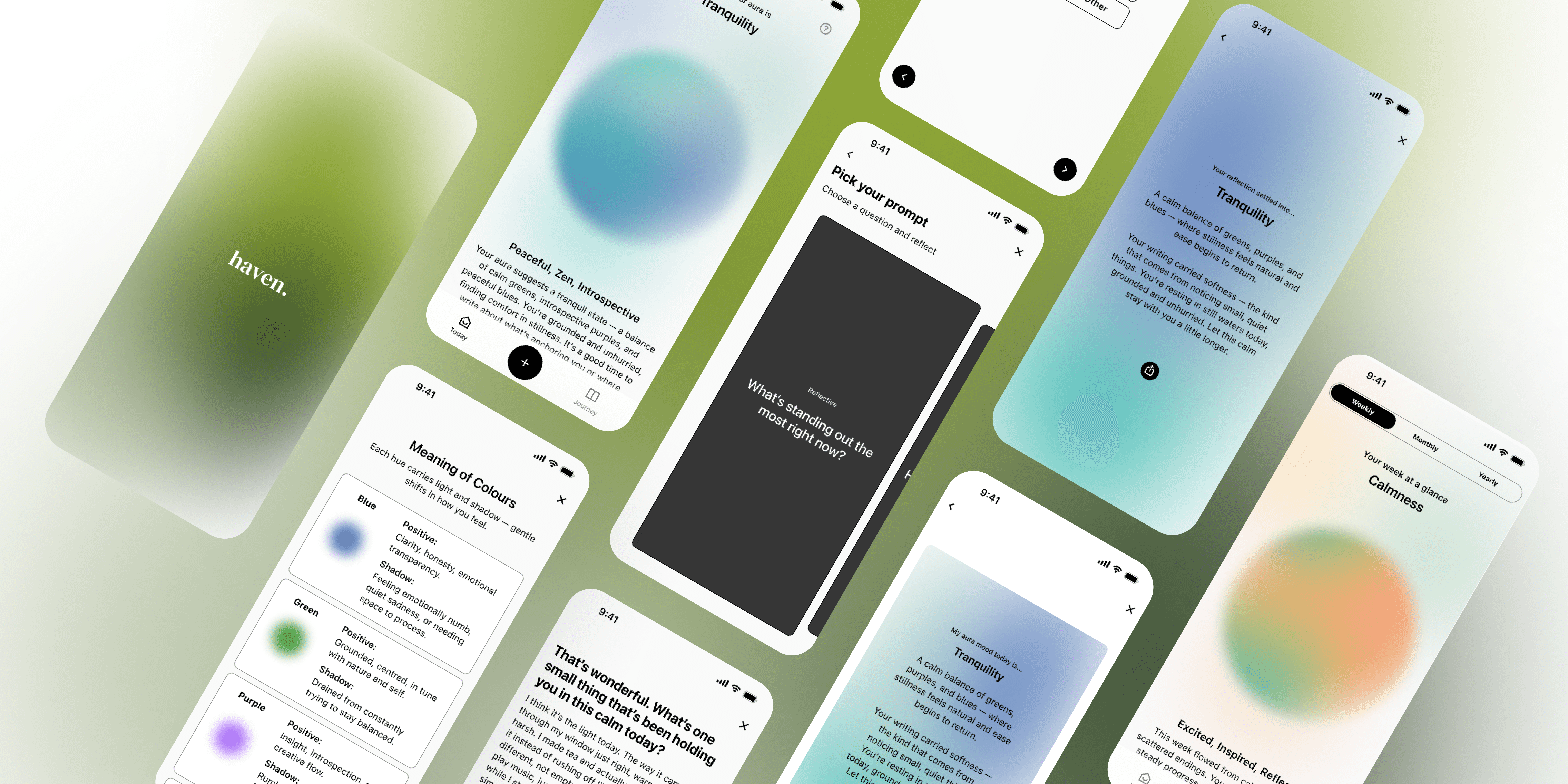
A safe space to pause and check in with yourself.
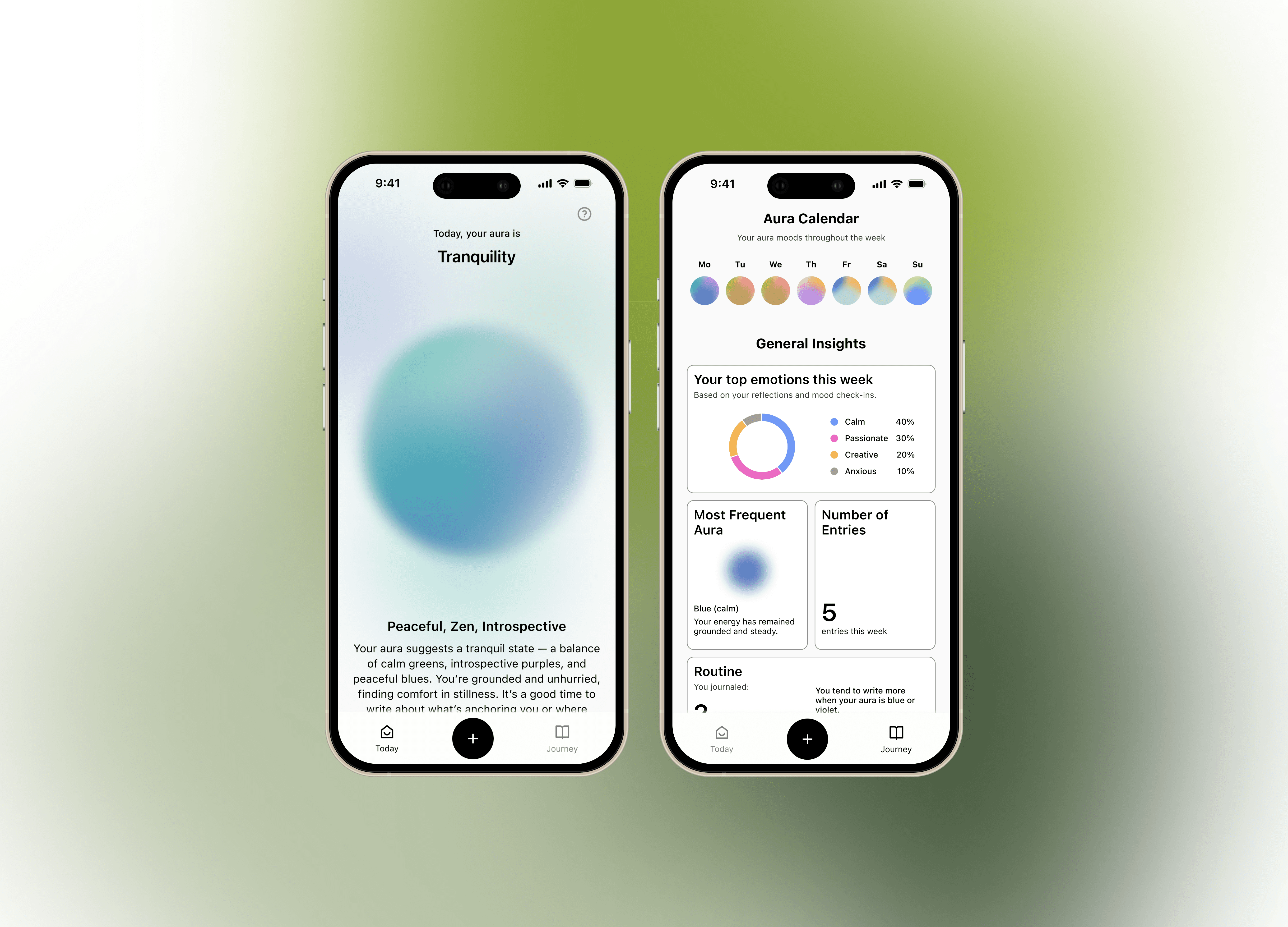
Haven is a gentle journaling app designed to support emotional reflection without pressure. Instead of relying on words alone, it uses colour as an emotionally intuitive cue to help users check in with themselves when language feels difficult.
Discovery
Journaling felt overwhelming, not supportive
Through research and reflection, a consistent pattern emerged:
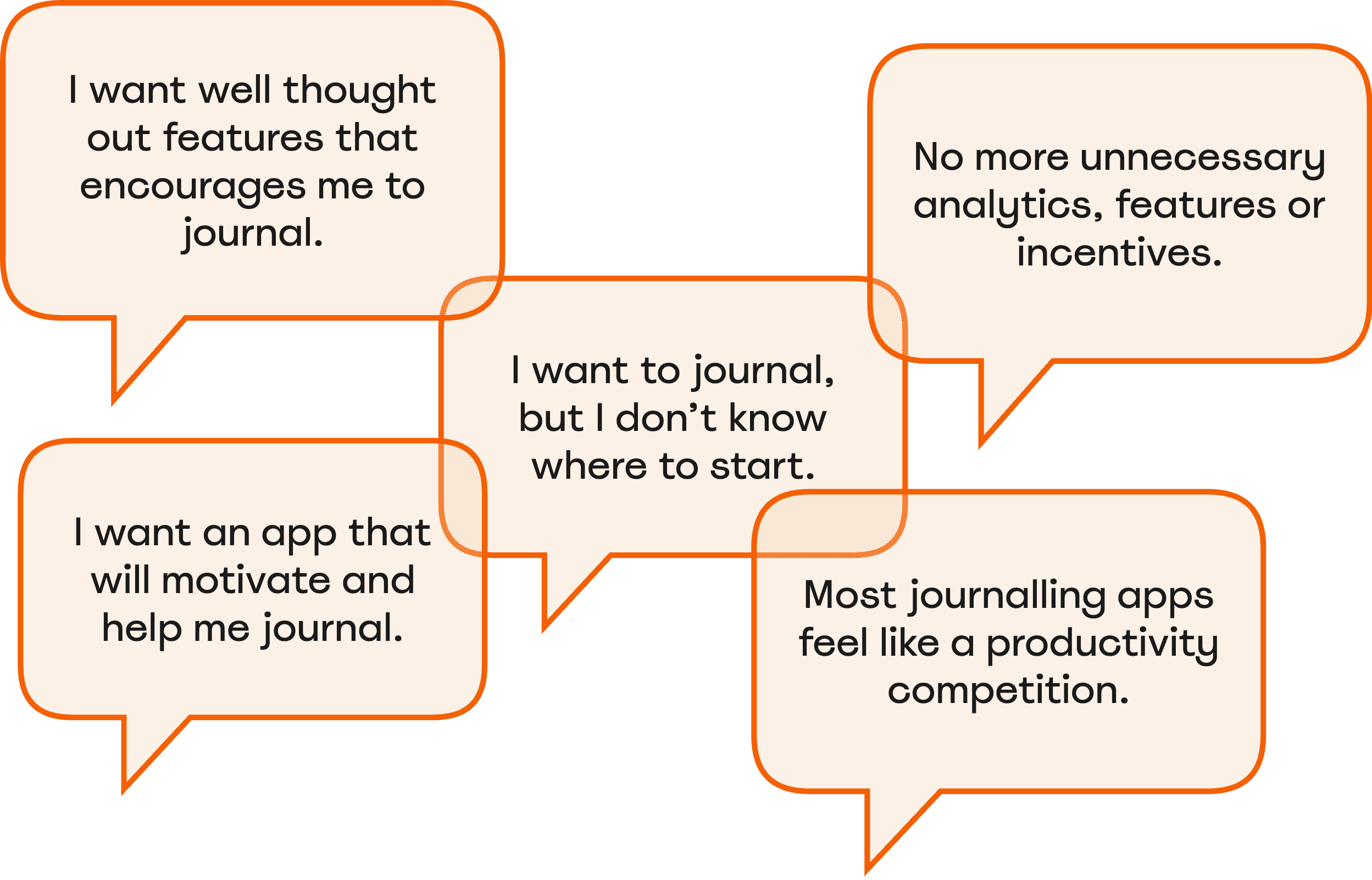
People wanted to journal, but the tools available often made the experience feel intimidating, clinical or effort-heavy.
Journaling often felt like something they should do, rather than something that emotionally supported them.
The core issue wasn’t motivation—it was emotional friction created by design choices.
Define
Designing for emotional safety, not productivity
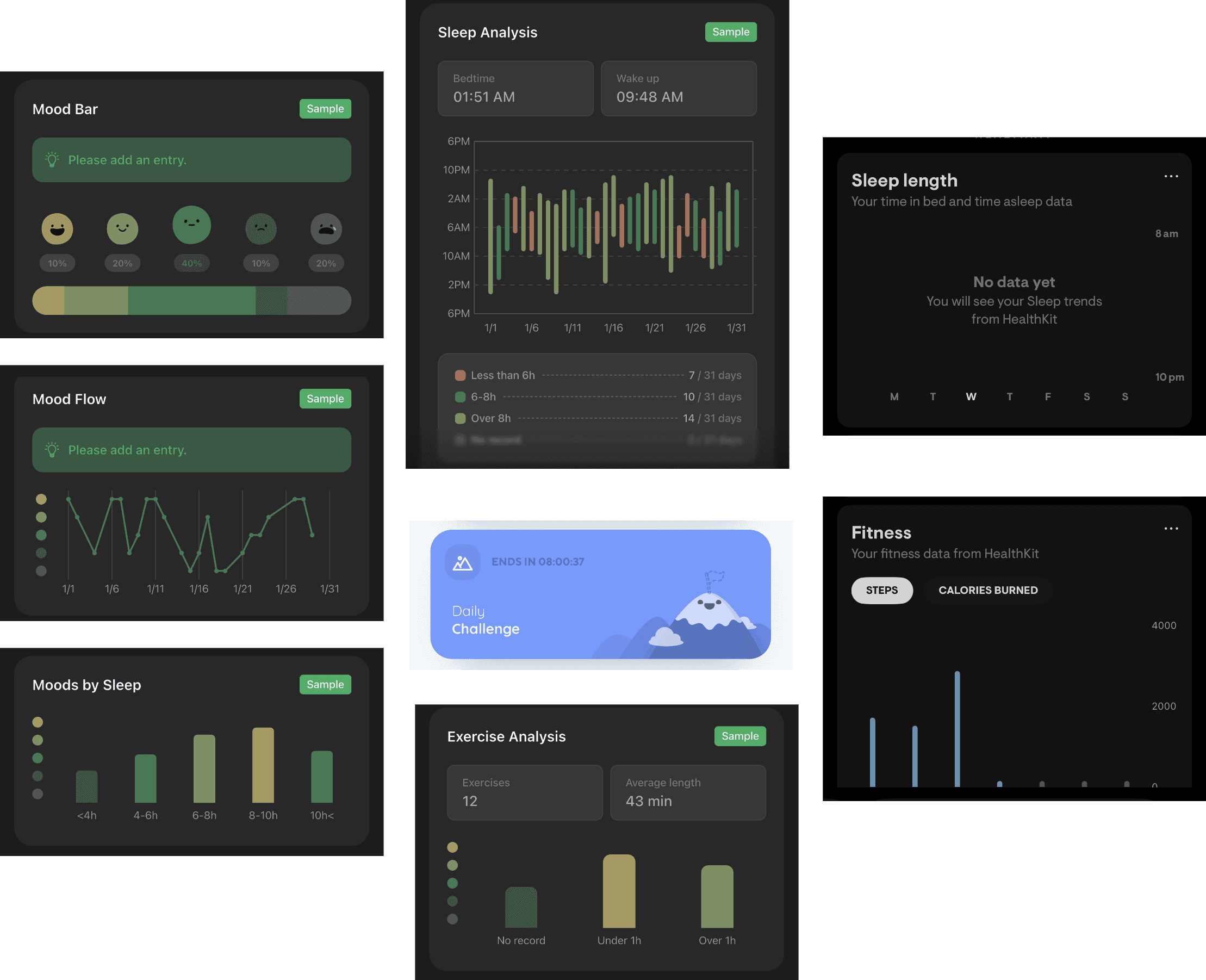
Most journaling apps prioritise output: streaks, analytics, progress indicators. While effective for habit tracking, these features often conflict with emotional vulnerability.
Problem
Journaling tools unintentionally pressure users by framing reflection as a task rather than a personal, emotional experience.
Ideate
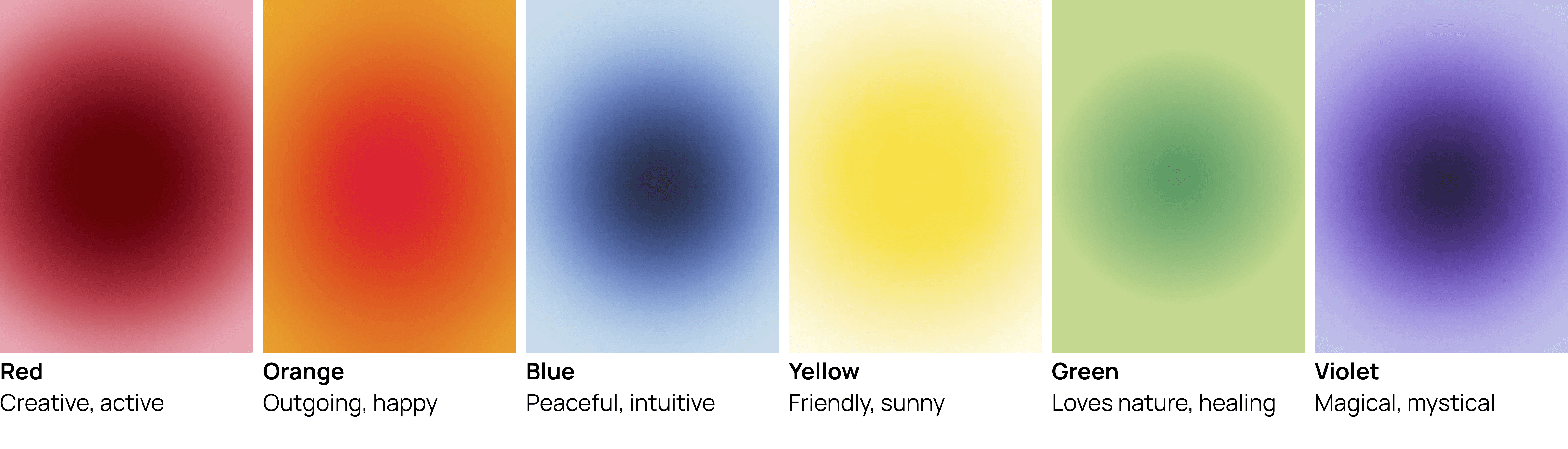
Translating emotion into colour
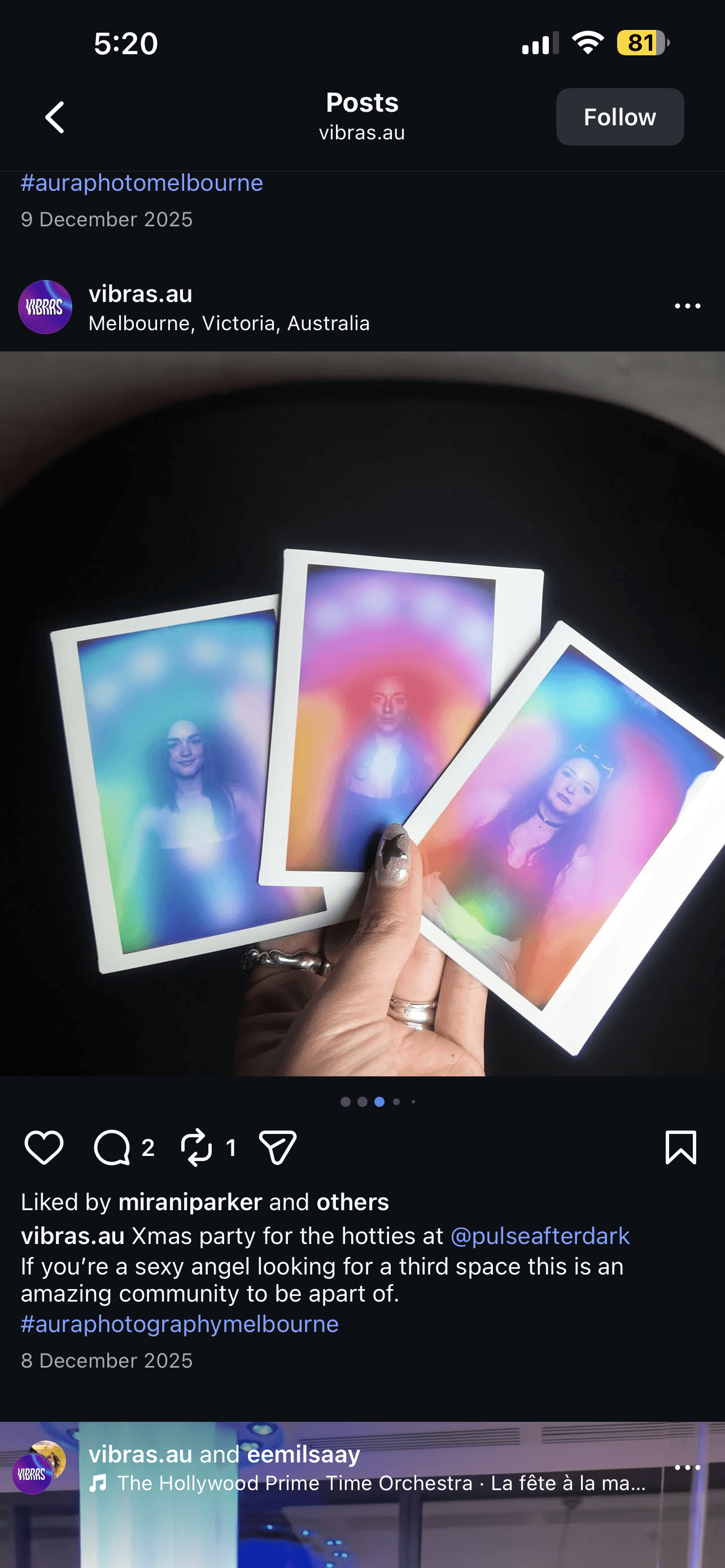
Haven’s emotional language is inspired by aura rings and aura photography, using colour as an intuitive way to express internal states. This approach is supported by colour psychology research, which suggests emotional responses to colour often occur before cognitive interpretation.
Colour is not decorative; it functions as emotional feedback.

Prototype
Designing an interface that responds with care
For colour to feel meaningful, the interface needed to acknowledge emotion without disrupting reflection.
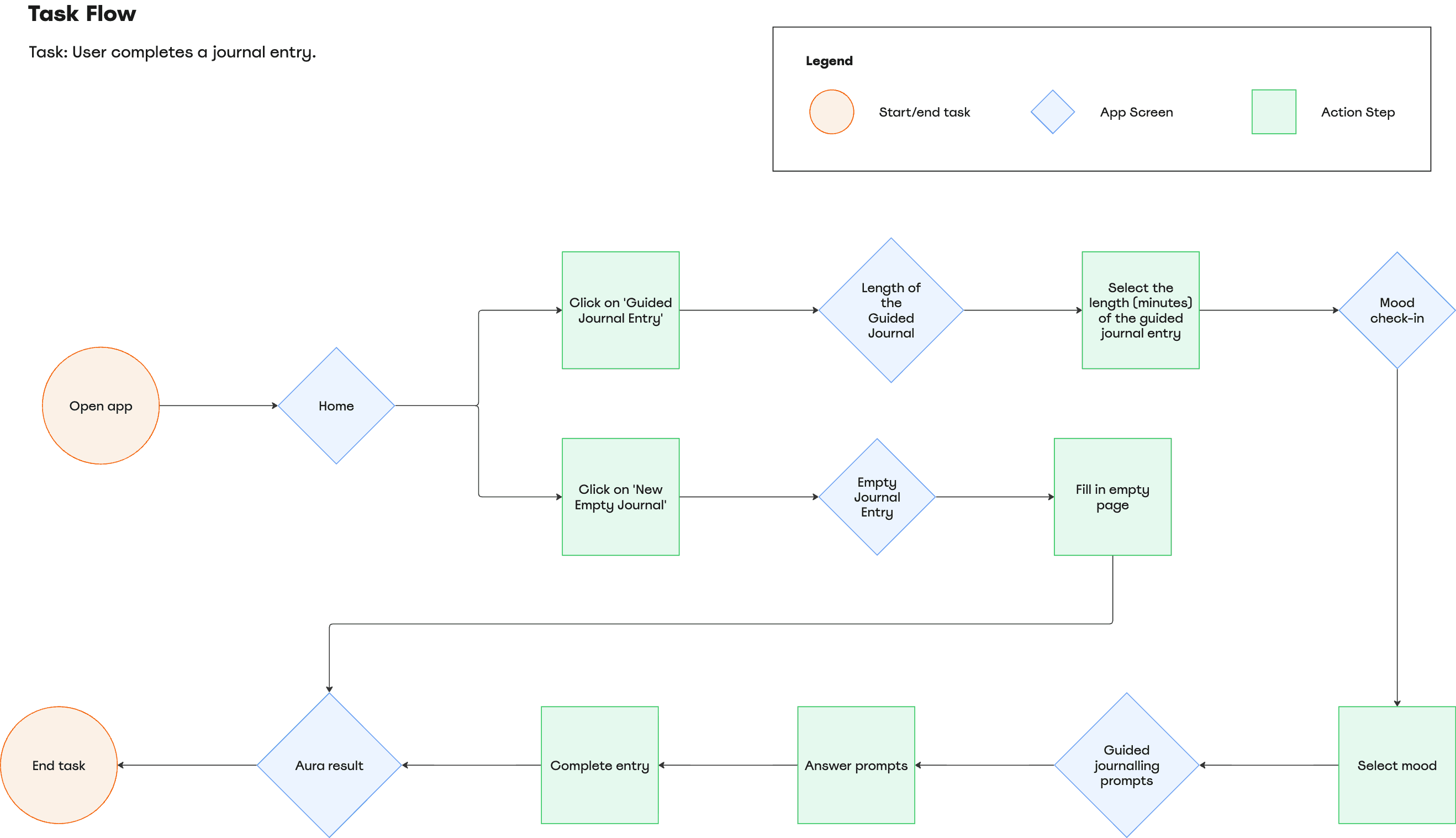
As users move through guided prompts, the interface subtly adapts to their emotional check-in. These changes are intentionally gentle, creating a sense of being acknowledged without judgement or evaluation.
Testing & Iteration
Refining emotional responsiveness through user feedback
What we tested:
Live colour changes during writing
Fixed prompts vs user-controlled prompts
Neutral prompts vs mood-responsive prompts
What we learned:
Live colour feedback disrupted focus
Fixed prompts felt emotionally misaligned
Generic questions broke the emotional flow
Key changes:
1) Removed live colour changes during writing
Before
After
2) Giving users control over their prompts
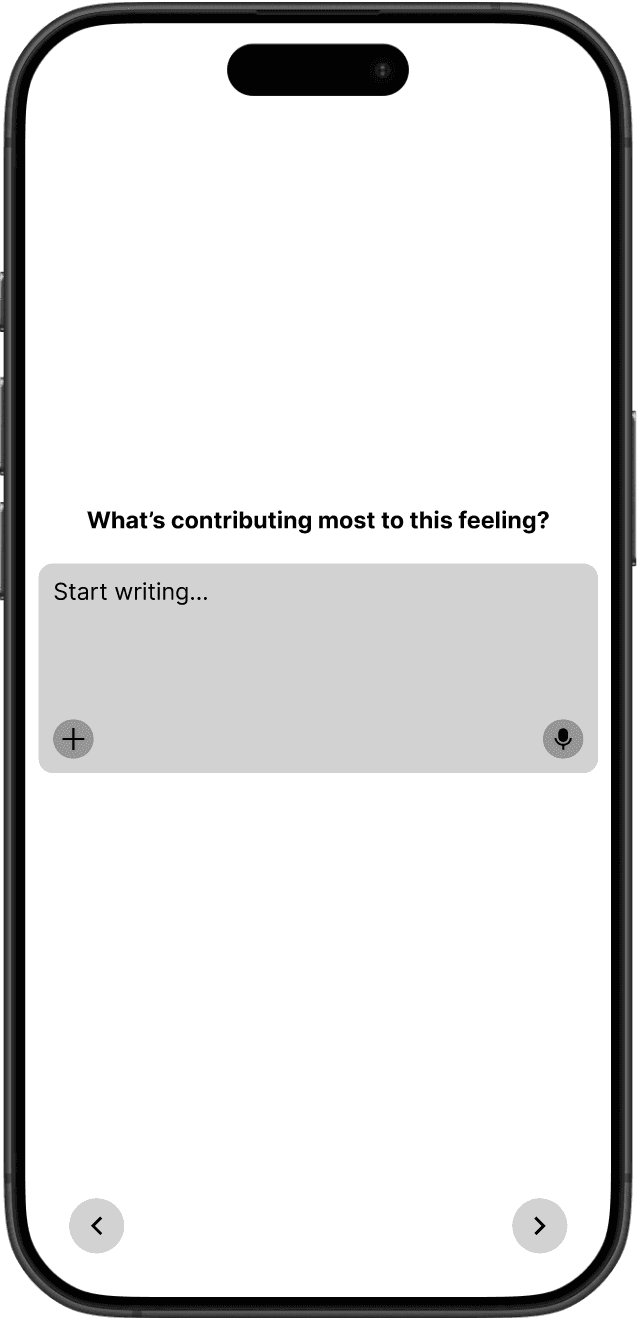
Before
After
3) Prompts that adapt before they guide
Before
After
Outcome
A calmer, more intuitive way to reflect
These changes shifted Haven from a reactive interface into a supportive guide:
Users stayed focused longer during journaling
Reflection felt conversational rather than evaluative
Colour became a moment of meaning after reflection, not a distraction during it
Reflection
What designing Haven taught me
Designing Haven reinforced that emotional UX is often about removal, not addition.
Reducing stimulation improves focus
Removing live colour changes helped users stay present while writing.Control increases emotional comfort
Allowing users to guide their own prompts reduced pressure.Language shapes emotional safety
Small changes in tone and timing significantly affected how supportive the experience felt.